Mount Shasta
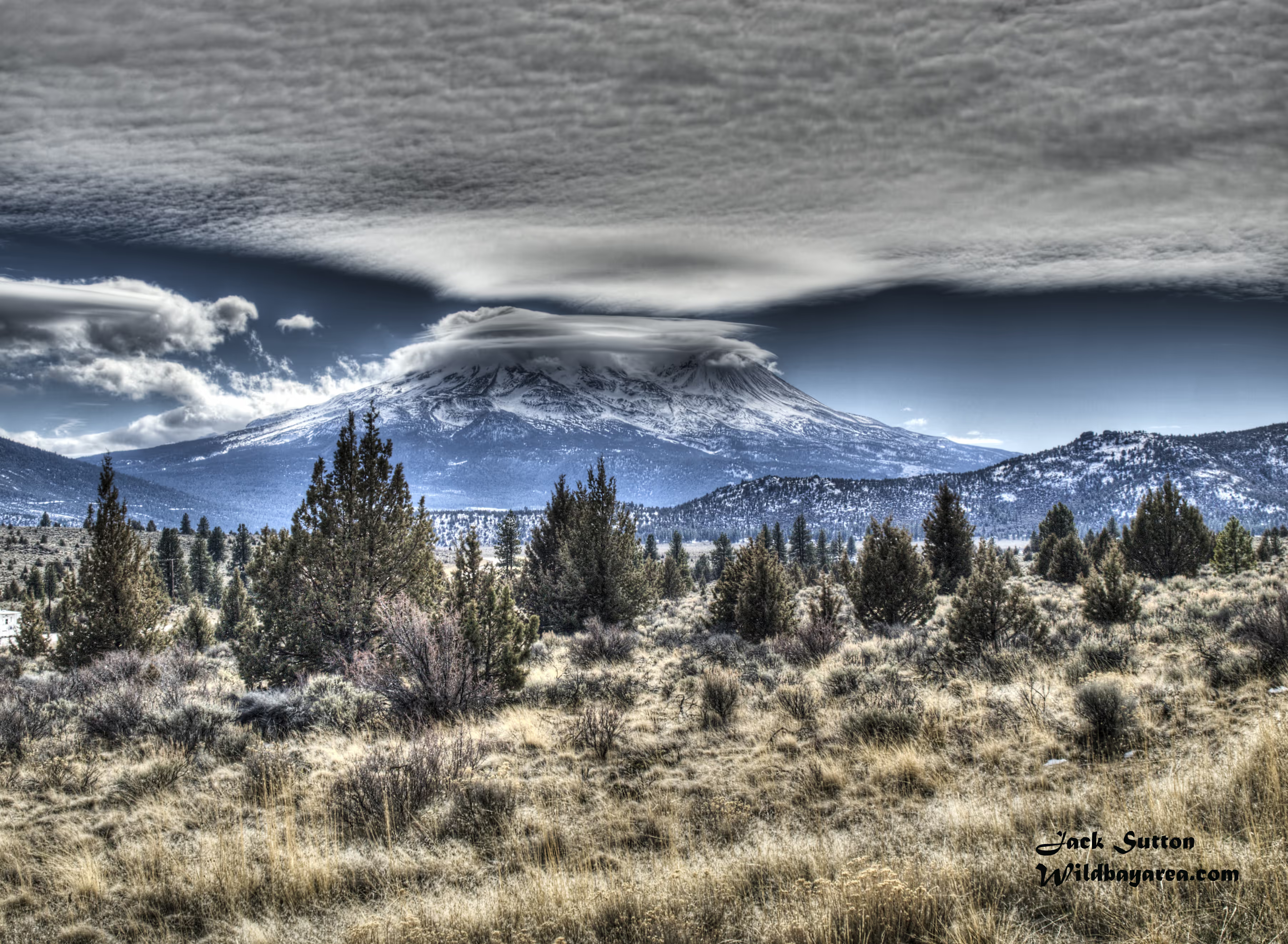
At 14,179 feet, Mount Shasta is the reason you came — a glacier-draped volcano that dominates every horizon for a hundred miles. A paved highway climbs from town right to the treeline, so the mountain is yours whether you're chasing a sunset picnic, a spiritual discovery, or a summit at dawn.
Exploring Mount Shasta
Mount Shasta is the centerpiece of the region — a 14,179-foot stratovolcano and the second-highest peak in the Cascade Range. From the Inn, you can jump right onto Everitt Memorial Highway, which climbs from the edge of town up the mountain's south side. A scenic 20-minute drive (about 12 miles) brings you to the primary trailhead, Bunny Flat.
Sitting at roughly 6,950 feet, Bunny Flat is the launching point for most hiking, climbing, and winter recreation on the mountain. You don't need to be a mountaineer to enjoy it. The same road that serves summit climbers also delivers sightseers, picnickers, and casual walkers to high-elevation forests.
Seasons on the Mountain
What's accessible depends heavily on the season. Bunny Flat is plowed year-round, so the lower mountain stays open even in deep winter for snowshoeing and backcountry skiing.
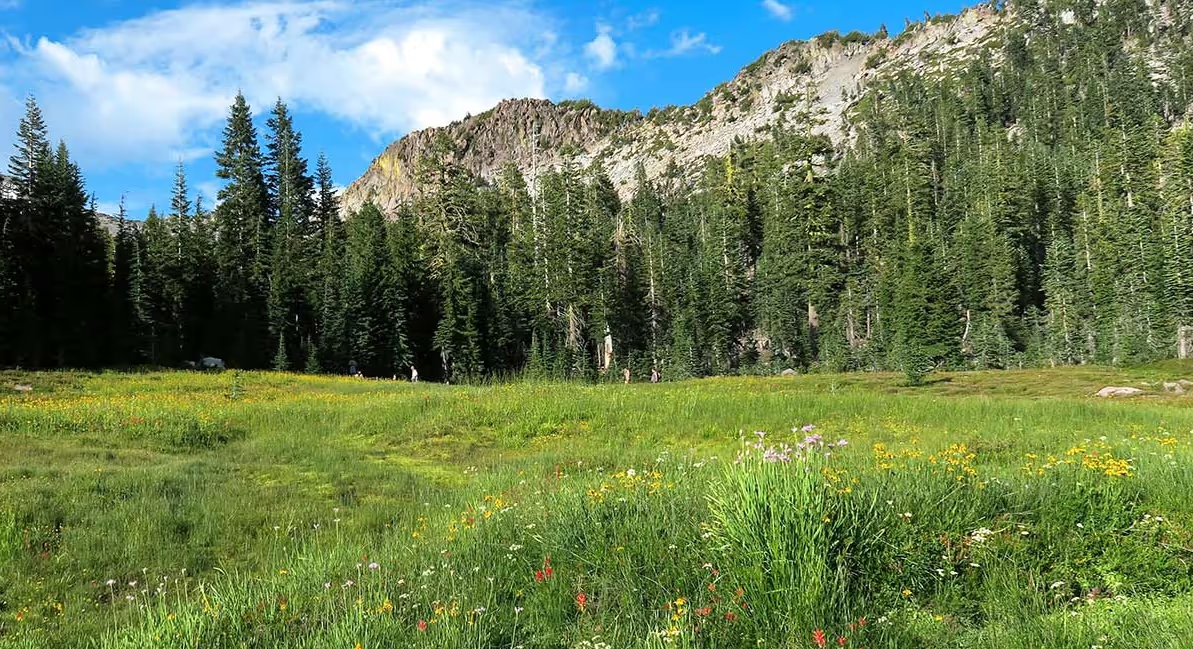
The upper stretch of road, beyond Bunny Flat to Panther Meadow and the Old Ski Bowl (the highest point you can drive), is gated through winter and typically opens by early summer. Panther Meadow's famous wildflowers usually peak in early August, depending on the winter's snowmelt. For those attempting the summit, the classic non-technical route is Avalanche Gulch on the south side, with the most reliable climbing conditions generally falling between mid-May and mid-July.
Planning Your Outing
A few practical notes for anyone heading up. Summiting Mount Shasta is a serious undertaking that calls for real fitness, proper gear, and ideally a local guide for first-timers. This is not a casual walk-up peak, and even experienced climbers have gotten snagged.
A wilderness permit (free, self-issued) is required to enter the wilderness, and a paid summit pass is required for anyone traveling above 10,000 feet; both are available at trailhead kiosks and the ranger station right in town.
The wilderness area has strict rules worth knowing before you go: no dogs, no wood fires, and a mandatory pack-out policy for all human waste. For those looking for an easier trek that stays well below the 10,000-foot summit pass line, options like Horse Camp (an easy two-mile hike from Bunny Flat) or a summer stroll through Panther Meadow give you the mountain's grand scale without the intense alpine commitment. Just note that because these trails sit in fragile wilderness zones, the no-dogs and waste pack-out rules still apply.
The Adventures section of our website provides a guide to some of our favorite local explorations. And no matter your skill level, our front desk team can easily match you to the right outing. Just ask us before you head out!
Here are a few useful links:
More adventures.
ALL ADVENTURES →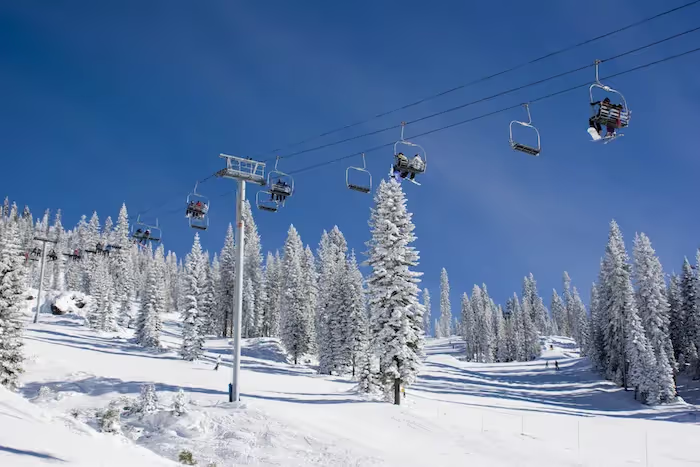
Skiing and snowboarding in winter, downhill mountain biking in summer. Family-friendly, affordable, and without the chaos or expense of Tahoe.
Ask our concierge
Tell us your day.
We'll plan the rest.
From summit logistics to a quiet picnic spot we don't put on the map — the front desk has been doing this for years. Send us a note before you arrive, or stop by when you check in.